Brisbane Stadium: a Queensland design nestled in parkland
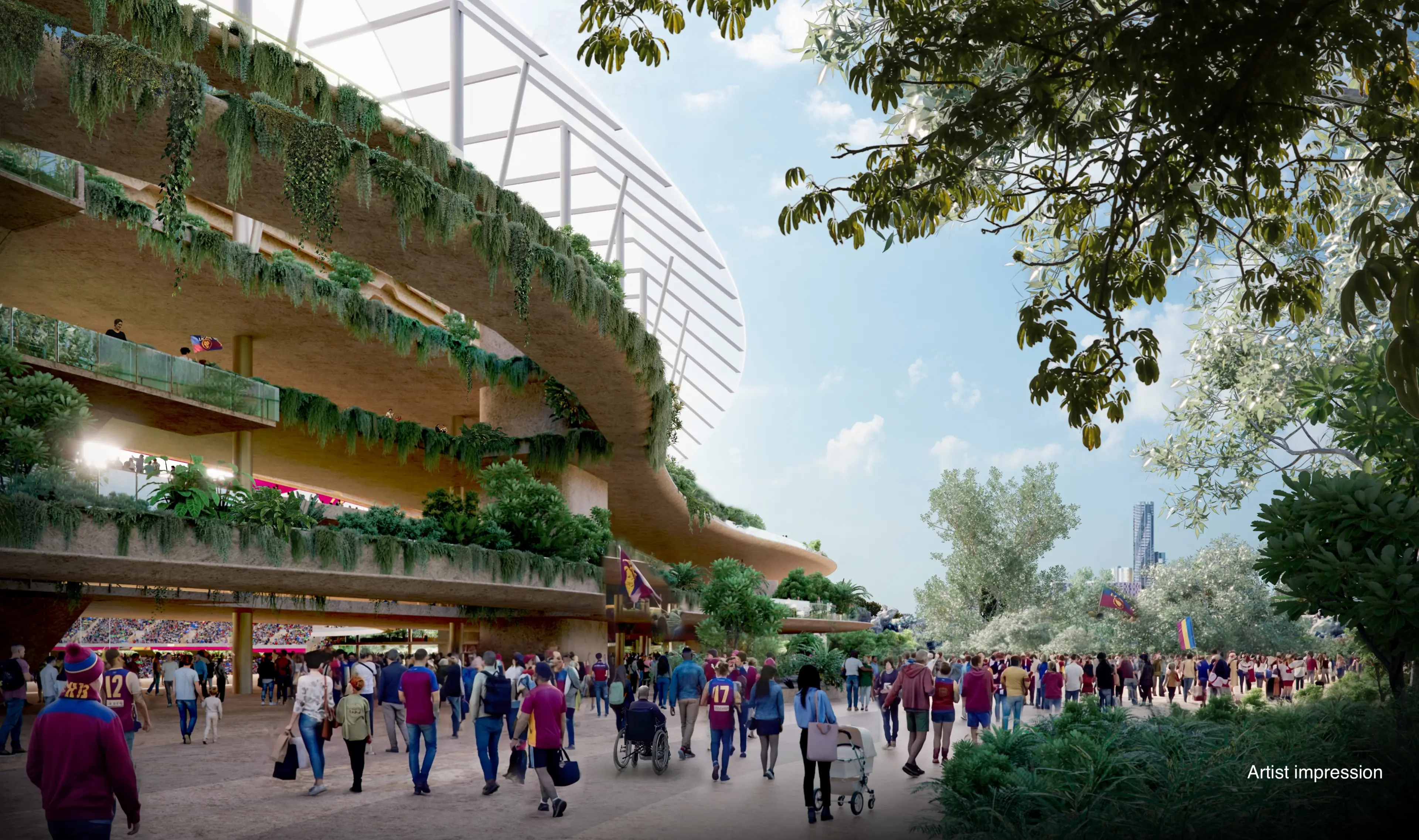
The design for the new Brisbane Stadium is not just embracing a uniquely Queensland aesthetic; it is challenging long-held design norms to reimagine a stadium for the future.
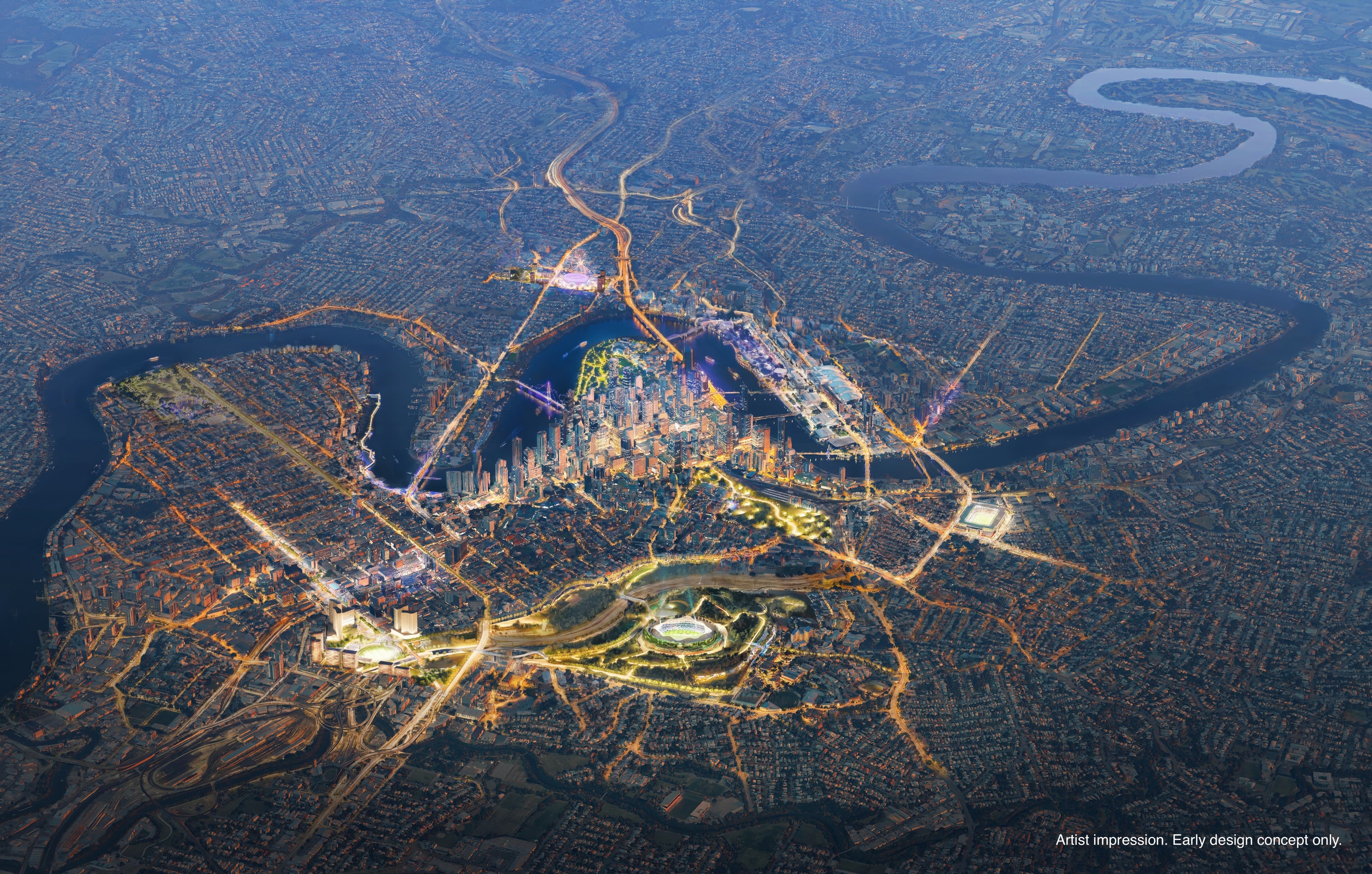
Announced in January 2026, Principal Architects COX, Hassell, and Japan’s Azusa Sekkei have revealed early design concepts for the new Brisbane Stadium in Victoria Park.
Their ‘de-veneered’, open design draws inspiration from Queenslander homes and embraces the state’s unique indoor/outdoor lifestyle and culture.
As the design teams behind the ‘world’s most beautiful sporting facility’ at Perth’s Optus Stadium, as well as Adelaide Oval and the groundbreaking Japan National Stadium in Tokyo, they have a portfolio of visionary stadia.
The new Brisbane Stadium will become Queensland’s home of AFL and cricket, replacing the end-of-life Gabba after the 2032 Olympic and Paralympic Games. Before it becomes the state’s premier sporting and entertainment venue, it will host the Opening and Closing Ceremonies, athletics and Para athletics at the Games in 2032.
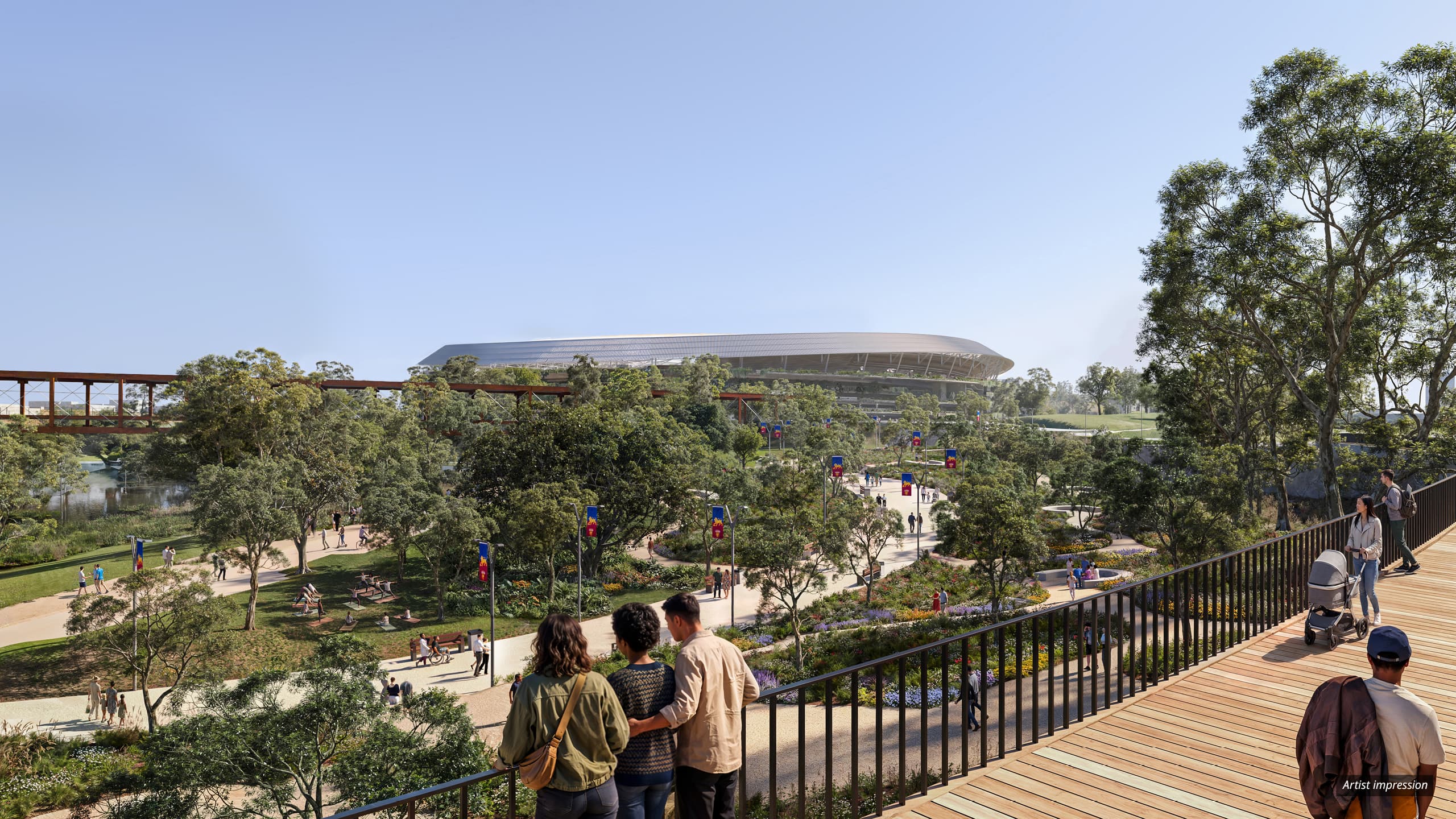
The Stadium’s design is focused on ‘building as much as we need, and as little as we can’ to balance green space with event-day activations in Victoria Park.
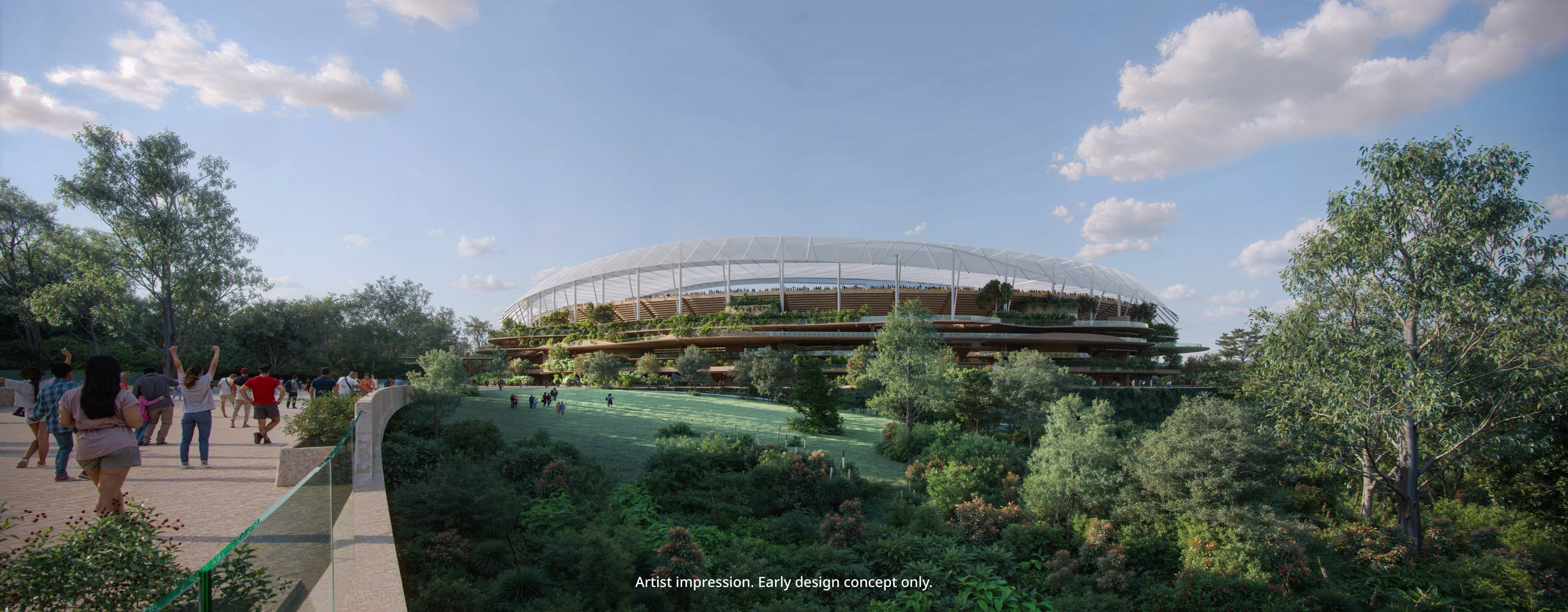
Artist impression render of Brisbane Stadium.
GIICA CEO Simon Crooks said the design team’s vision works with the landscape, not against it.
“The Brisbane Stadium has an important role during the Games, but its lasting value will come from what it offers Queenslanders long after 2032,” Mr Crooks said.
“That’s why the design is focused on building what’s needed, while protecting the character and openness of Victoria Park.
“Key decisions are being shaped by how the stadium sits within the park and how people will experience this space outside of major events.”
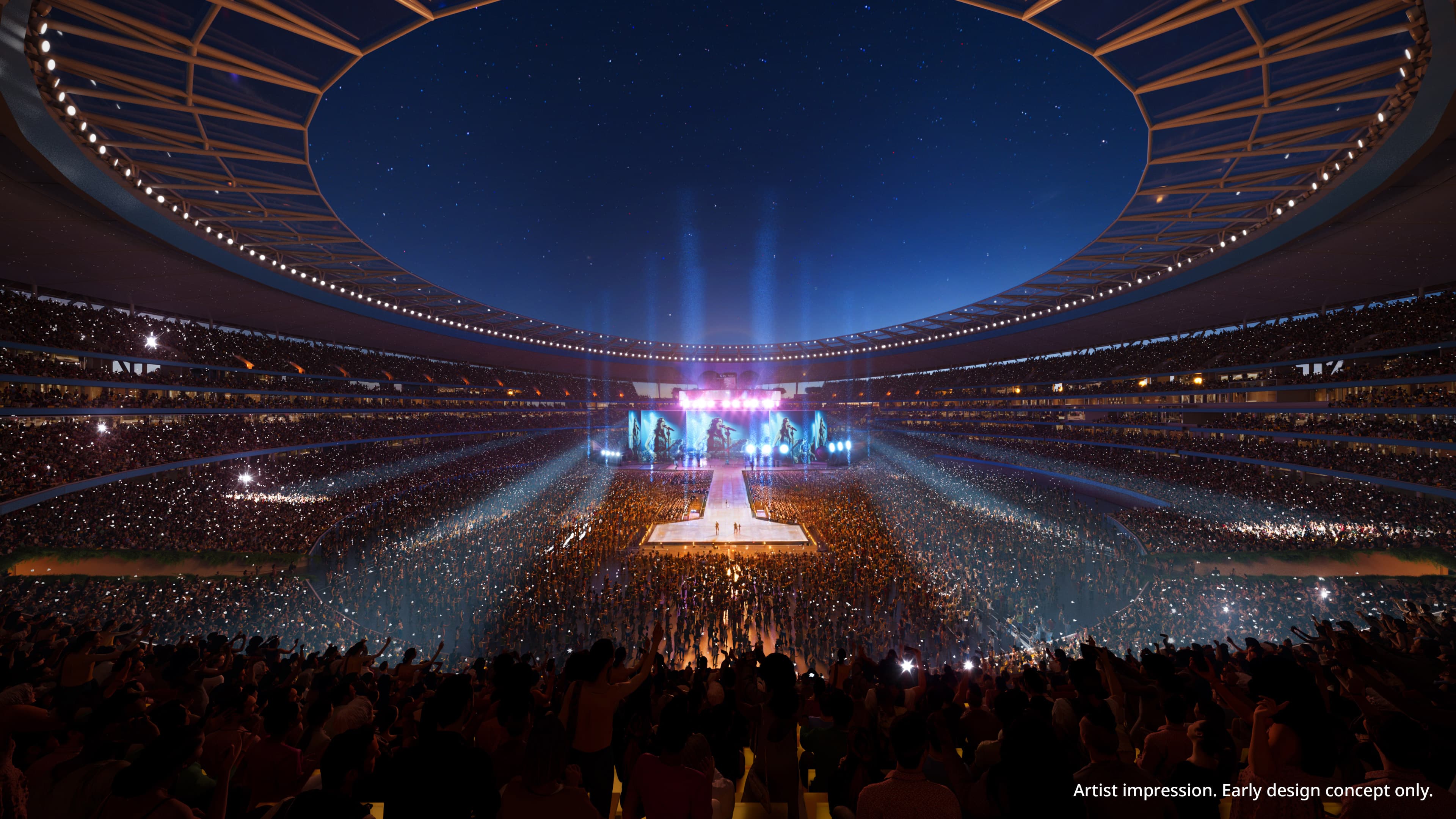
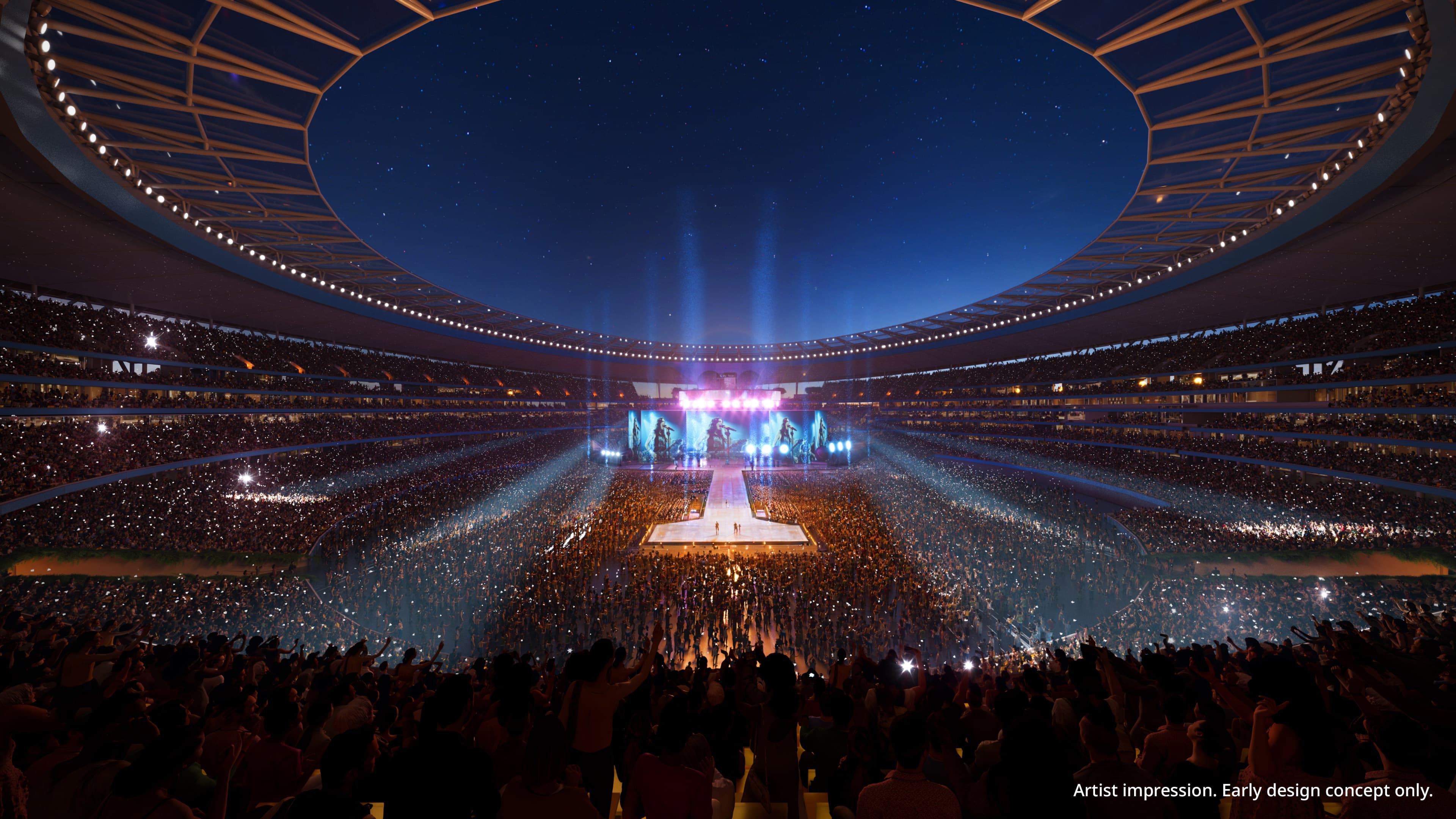
Artist impression render of inside Brisbane Stadium during a concert, with 70,000 capacity.
COX Architecture Director and Chair, and proud Queenslander, Richard Coulson recently said on the Toward the Games podcast that the architects were thinking outside the box to blend the stadium into the subtropical landscape.
“We’re trying to find ways in which the stadium can activate the park outside of game days so it doesn’t shut up shop and only open on Saturdays and Sundays.
“There’s currently no inhibitors to it being Australia’s best, the world’s best – genuinely.”
Fellow Queenslander and Hassell Managing Principal Lucy O’Driscoll added that the stadium design would be “fundamentally Queensland.”
“As Queenslanders we live on the verandah; comfortable in that in-between space of indoors and outdoors,” Ms O’Driscoll said.
“We are exploring how we reflect that in a venue that has traditionally been closed and inward facing. Our ambition is to create a stadium that every Queenslander can feel proud of.”
Azusa Sekkei’s Deputy Project Director Hidenori Nagase said the Japanese firm’s previous experience designing the Tokyo National Stadium within a park is supporting their vision for Brisbane Stadium.
“One important thing we have learned through past stadium projects is to think of the stadium not as an isolated building, but as an open place connected to the city and its surroundings,” Mr Hidenori said.
“Modern stadiums should not function only on event days. They should also become places where people can visit, stay, and connect with the city and nature in everyday life.
“The concept of ‘a stadium in a park’ is therefore very significant.”
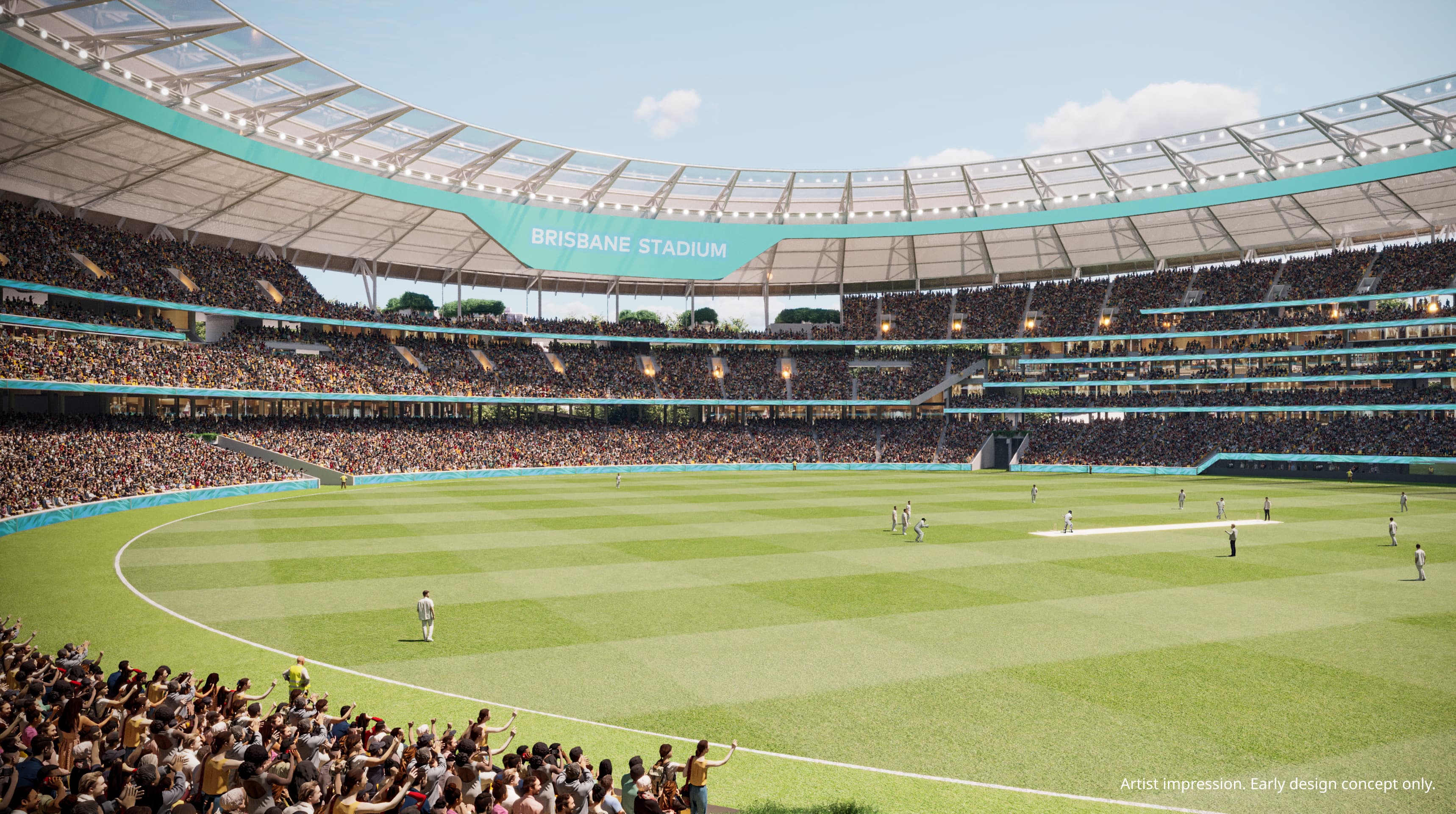
Artist impression render of inside Brisbane Stadium during a cricket game.
As work forges ahead, key venue aspects have recently been decided, including the stadium’s location in Victoria Park, the east-west configuration and the stadium’s field of play size and shape.
The design team’s vision makes the most of the unique landscape in which it will be built – nestling the stadium between two ridges near Gilchrist Avenue, in a natural amphitheatre that reduces earthwork requirements.
The stadium is also open to capture the breeze, with the verandah-inspired concourses providing opportunities for the crowd to connect and mingle before, during and after a game and concert; while they can also enjoy the sweeping city views.
Deep dive further into the stadium design and unique features on the Toward the Games podcast with Richard and Lucy. You can also read the latest on the Stadium’s design here.
If you want to know more about the phases of the construction program, take a look at our Roadmap to 2032.
Stay up-to-date
With early works to commence from June 2026, we encourage those interested in the Victoria Park works to sign up for email updates, to receive the latest news and construction notices direct to their inbox.