Cairns community helps shape Barlow Park Stadium upgrade
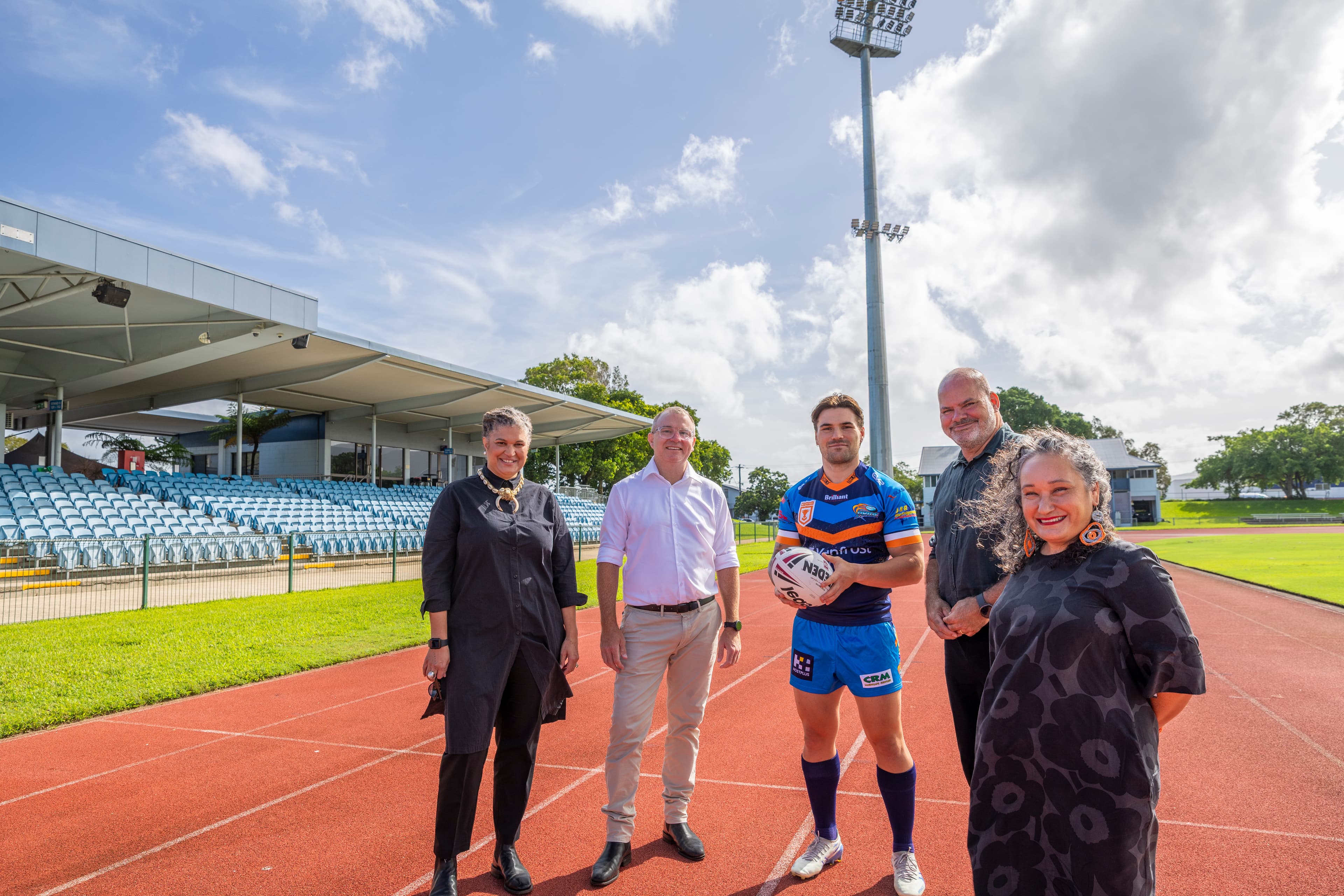
The Cairns community has shared a clear vision for the Barlow Park Stadium upgrade: a venue that is comfortable, accessible, and welcoming, while continuing to support local sport and attract major events.
The well-loved Far North Queensland stadium is set for a major upgrade ahead of the 2032 Olympic and Paralympic Games, with a new grandstand, enhanced player and spectator amenities, improved accessibility, and increased permanent seating.
From July to September 2026, the Games Independent Infrastructure and Coordination Authority (GIICA) heard from more than 250 people and community groups during community engagement, with approximately 90% of survey respondents supporting the upgrade. More than 85% of respondents were Cairns locals, and the same proportion identified as regular or repeat users of the venue.
With Cairns’ tropical climate, key themes included more shade, weather protection and cooling, better seating and sightlines, improved amenities and food and beverage options, and easier access for people of all ages and abilities.
There was also strong support for a stadium that reflects Tropical North Queensland and remains a home for local sport and community groups while hosting more major events.
How feedback is influencing the design
More comfort in Cairns conditions
Additional trees, landscaping, and shaded areas are included in the design. Shading studies have been completed, with the grandstand currently designed to provide weather protection for around 70% of permanent seating. The importance of accessible drinking water stations has also been noted.
Accessibility from arrival to viewing
Targeted engagement with disability, accessibility and Para sport representatives is informing proposed improvements to accessible amenities, spectator viewing areas, parking, pathways, and wayfinding.
A better spectator experience
The seating bowl has been redesigned to bring spectators closer to the field of play and improve viewing angles. The design also includes accessible viewing areas, contemporary amenities, and improved food and beverage facilities.

Artist impression render
A venue for local sport and major events
The upgraded stadium is being designed to continue supporting local clubs, schools, and community groups, as well as host major events including football preliminaries for the 2032 Olympic and Paralympic Games. It will have a legacy capacity of up to 5,000 spectators, with temporary seating available for larger events. The athletics track and grassy embankments will be retained.
Safer and easier movement
Proposed car park improvements will support safer and more efficient movement for vehicles and pedestrians, including improved pick-up and drop-off arrangements, parking, wayfinding, and connections to venue entrances.

Artis impression render
A strong local identity
GIICA is working to ensure the upgraded stadium is quintessentially Cairns, identifying opportunities to reflect local culture, landscape and identity through further design development, landscaping, and public spaces. You can learn more about that here.
Keeping venue users informed
GIICA will continue to engage with venue users throughout the planning, design, and construction periods. This will include work notices, clear access information, and a focus on minimising community disruption where practicable. Interested parties are strongly encouraged to sign up for GIICA construction notices by subscribing to our newsletters and selecting ‘Barlow Park Stadium (Cairns)’ as a venue of interest.
Work is now underway, with Cairns Regional Council undertaking essential service relocation works across the site. Once these are complete, GIICA will begin stage two of early works in late 2026, including demolition of the existing grandstand and initial site preparation.
Community feedback will continue to shape the project as design development progresses, with main construction expected to begin from mid-2027.